Have you ever wondered how the rise of synthetic media is reshaping the landscape of ownership in digital content? This question is more pressing than ever as the U.S. Copyright Office grapples with the complexities of AI-generated works. With over 10,000 comments submitted by December 2023, it’s clear that many are seeking clarity on this evolving issue.
The legal landscape surrounding ownership is intricate and constantly changing. In 2023, a significant initiative was launched to assess how artificial intelligence impacts creative ownership. This guide will help you navigate the terms of service for platforms like TheAIPornDude, ensuring you understand your rights and responsibilities.
As you delve into this topic, keep in mind the distinction between human-created content and that produced solely by AI. The U.S. Copyright Office is actively working to clarify these ownership questions, making it essential for you to stay informed.
Key Takeaways
- The legal landscape of AI-generated content is complex and evolving.
- Understanding ownership rights is crucial for users of platforms like TheAIPornDude.
- The U.S. Copyright Office is actively reviewing the impact of AI on creative works.
- Distinctions exist between human-authored and AI-generated material.
- Stay updated on the latest reports from the U.S. Copyright Office regarding ownership issues.
Understanding AI Porn Ownership
The rapid growth of synthetic media prompts a deeper exploration of ownership rights in digital content. With the rise of artificial intelligence, we see a new landscape where traditional definitions of authorship are challenged. This evolution is particularly significant in the realm of digital content, where the lines between human and machine creation blur.
On January 29, 2025, the U.S. Copyright Office published Part 2 of its report, addressing the copyrightability of outputs created using generative AI. This report highlights the need to understand the difference between human-assisted creation and fully automated processes. Such distinctions are vital for determining ownership of the resulting digital content.
In today’s digital age, ownership of media is a primary concern for creators. Protecting your work from unauthorized use is crucial. As the legal status of AI-generated content remains in flux, it is essential to stay informed about how copyright law interprets the role of human authorship.
“The evolution of synthetic media is reshaping the conversation around ownership in digital content.”
Key Aspects of TheAIPornDude Terms
The terms of service for digital platforms like TheAIPornDude reveal crucial insights into user responsibilities. Understanding these terms is essential for anyone looking to create or share content. They dictate how you can use the platform and what rights you may be granting upon uploading your media.
One key point to consider is that when you agree to these terms, you often grant specific rights regarding the use of your uploaded media and generated content. This means that the platform may have the ability to use your content for their own purposes.
Moreover, the International Telecommunication Union (ITU) notes that videos now account for 80% of internet traffic. This makes the authentication of digital content a critical priority. The ITU is developing watermarking standards to help identify the creator’s identity and ensure content integrity.
Here’s a summary of important aspects regarding usage policies:
| Aspect | Description | Importance |
|---|---|---|
| User Rights | Rights granted upon uploading content | Understanding ownership and usage |
| Content Authentication | Watermarking standards by ITU | Protects original creators |
| Control Over Media | Terms dictating usage of tools | Ensures user retains rights |
| Commercial Use | Platform’s rights to use content | Review fine print for clarity |
Exploring ai porn copyright Challenges
The evolving landscape of digital content ownership raises important questions about legal authorship. One of the main challenges in this area is the requirement that a human author must be responsible for the creative elements of the content.
U.S. courts have consistently held that human authorship is a bedrock requirement for copyright. This complicates the status of works created by artificial intelligence. You should note that the legal system struggles to apply traditional copyright law to content that lacks a clear human creative contribution.
As artificial intelligence becomes more advanced, the intelligence behind the software is often mistaken for the creative intent of the human user. Legal precedents suggest that without significant human intervention, the content produced by these systems may remain in the public domain.
| Challenge | Description | Implication |
|---|---|---|
| Human Authorship | Requirement for copyright protection | Limits AI-generated works |
| Legal System | Struggles with traditional laws | Creates uncertainty for creators |
| AI Advancements | Intelligence mistaken for creativity | Potential copyright issues |
| Public Domain | Content without human input | May not be protected |
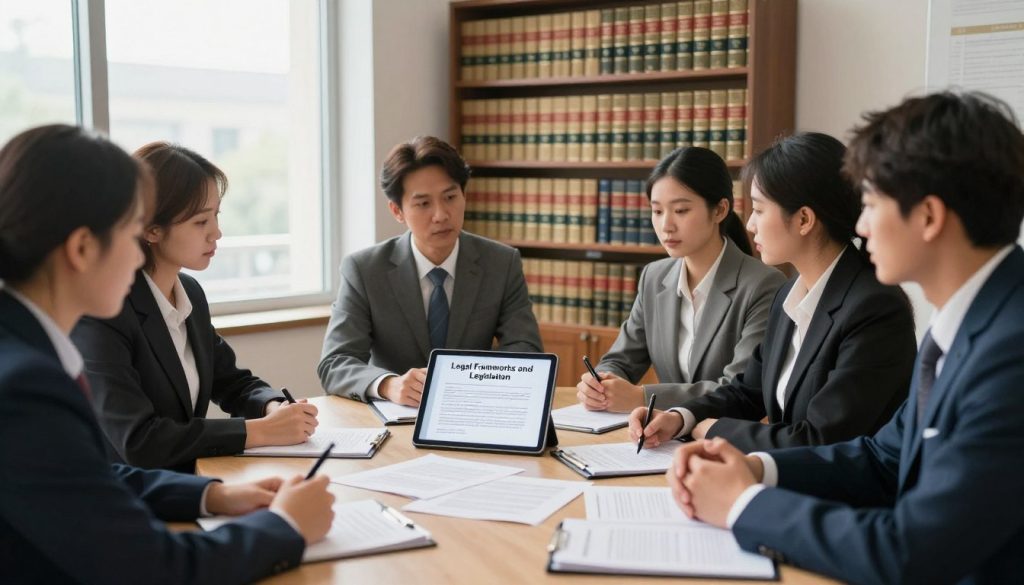
Legal Frameworks and Legislation
The landscape of digital content ownership is rapidly evolving, particularly with the introduction of new laws and regulations. Understanding these frameworks is essential for navigating the complexities of synthetic media.
On July 31, 2024, the U.S. Copyright Office released Part 1 of its report on digital replicas. This report aims to address the growing concerns regarding synthetic media and its implications for copyright. The findings are crucial for anyone involved in content creation.
Additionally, the International Centre for Missing & Exploited Children (ICMEC) has found that 156 out of 196 countries have introduced legislation against harmful material. This widespread effort highlights the global commitment to combatting issues related to digital content.
As you engage with these developments, it’s important to stay informed about the evolving laws in the United States. Reports and public consultations from various stakeholder groups are shaping these legal frameworks.
| Report | Date Released | Focus Area |
|---|---|---|
| Part 1 of U.S. Copyright Report | July 31, 2024 | Digital Replicas |
| Part 3 of U.S. Copyright Report | May 9, 2025 | Training Generative Models |
| ICMEC Legislation Review | 2023 | Combating CSAM |
The Role of Artificial Intelligence in Copyright Law
The intersection of artificial intelligence and copyright law is becoming increasingly significant in today’s digital landscape. Understanding how these elements interact is vital for creators and users alike.
As of February 2024, the U.S. Copyright Office had issued registrations to well over 100 AI-assisted works. This serves as an example of how human-AI collaboration can be protected under existing laws.
You should recognize that artificial intelligence is viewed differently when it acts as a machine tool versus when it generates content independently. During a recent public consultation, the U.S. Copyright Office received over 10,000 comments from artists, lawyers, and trade groups regarding the future of copyright law.
For instance, a protected work is one where the human author uses artificial intelligence to assist in the creative process rather than relying solely on it for generation. The intelligence of the software does not grant it authorship; rather, the human user must demonstrate significant creative control to secure a copyright.
How Generative AI Transforms Porn Content Creation
The rise of sophisticated generative systems is transforming the landscape of adult content creation. These models, such as DALL·E and Stable Diffusion, learn from vast amounts of online material. This enables them to produce highly realistic images at an unprecedented speed.
You can see an example of this transformation in how creators now use these tools. They can iterate on artistic concepts that once took significant time to develop. This rapid production enhances artistic expression and innovation in the field.
However, the intelligence of these models raises questions about the ownership of the resulting content. Legal experts continue to debate whether a human user can claim rights over the final output. As you explore this space, consider how generative AI might affect your ability to protect your creative work under existing copyright law.
Training AI Models for Pornographic Content
The complexities surrounding the training of AI models highlight the ongoing tensions between technological advancement and copyright protection. Companies often argue that the use of copyrighted material in training is justified under the doctrine of fair use. However, this claim is increasingly being challenged in courts.
You should know that machine learning relies heavily on text data mining. This process extracts patterns from vast datasets, which can include copyrighted works. The intelligence of these models is built upon the ingestion of existing material, leading to significant copyright disputes.
Balancing the need for innovation with the protection of copyright is crucial. If you are a creator, the unauthorized use of your work for training purposes poses a major concern. This issue could significantly affect your future earnings and control over your content.
- Training often involves copyrighted material, claimed to be fair use.
- Machine learning uses text data mining to identify patterns.
- Ongoing legal discussions focus on balancing innovation and copyright protection.
- Unauthorized use of work can impact creators’ earnings.
Ethical Considerations in AI-Generated Pornography
Ethical dilemmas surrounding AI-generated imagery are becoming increasingly significant in today’s digital landscape. The rise of deepfakes has sparked concerns about consent and the integrity of personal images.
The creation of deepfakes without consent is a significant ethical harm that has led to new legislation like the TAKE IT DOWN act of 2025. This law addresses the publication of non-consensual intimate imagery, emphasizing the importance of protecting individuals’ rights.
You must prioritize consent when dealing with any image or video generated by artificial intelligence to avoid legal and ethical repercussions. The intelligence of modern deepfakes makes it difficult to distinguish between real and synthetic content, which threatens the integrity of personal image rights.
Protecting individuals from the harm caused by non-consensual content is a primary goal of recent laws that supplement traditional copyright protections. As you engage with these platforms, remember that the lack of consent for the use of your likeness is a serious violation of your personal rights.
Enforcement and Liability in Copyright Litigation
The legal landscape surrounding deepfakes is evolving rapidly, necessitating a closer look at enforcement and liability. Recent cases highlight the growing concern over the unauthorized use of an individual’s likeness.
A recent lawsuit may set a precedent for how copyright law applies to deepfakes. This case underscores the importance of understanding the legal implications of using someone’s image without permission.
You should be aware that state laws are becoming stricter. For instance, Tennessee law imposes severe penalties for sharing deepfakes without permission, allowing for up to 15 years in prison and $10,000 in fines.
Moreover, the TAKE IT DOWN bill, signed into law on May 19, 2025, provides victims with a legal mechanism to remove revenge porn and other non-consensual content. This legislation aims to protect individuals from digital abuse.
Litigation involving deepfakes often highlights the gap between existing laws and the reality of modern digital abuse. If you are involved in a lawsuit, know that the legal system is increasingly focused on holding perpetrators accountable for creating harmful synthetic media.
Navigating Platform Policies and User Rights
Understanding the policies of digital platforms is essential for protecting your rights as a user. As social media continues to evolve, so do the responsibilities of both users and platforms. It’s vital to be aware of the tools available to you for reporting harmful content.
Social media companies are now required to implement clear takedown procedures. This is a crucial step in protecting individuals from the harm caused by non-consensual synthetic content, including deepfakes and revenge porn.
Reporting, Takedown Procedures and Support
You should utilize the reporting tools provided by each platform to request the removal of deepfakes or revenge porn that violates your rights. If you need support, resources like NoFiltr offer over 500 advice submissions to help individuals navigate tricky online interactions and digital safety.
Always check the platform terms for information on how to protect your copyright and report content created without your permission. Seeking support from trusted adults or organizations is essential if you find yourself targeted by malicious deepfakes or other forms of online abuse.
Emerging Trends in AI and Media Legislation
Recent developments in artificial intelligence are prompting significant changes in media laws. As technology evolves, lawmakers are responding with new regulations aimed at protecting individual rights and ensuring transparency.
One notable example is the COPIED Act of 2024, which seeks to regulate the use of artificial intelligence in media. This legislation aims to protect the rights of individuals and increase accountability among platforms.
In the coming years, you will see more bills introduced that focus on the transparency of machine learning models. These laws will likely require platforms to disclose information about the training data used to develop their artificial intelligence tools.
The global race for artificial intelligence dominance is driving policy shifts. As you monitor these trends, note that the goal is to balance the needs of victims with the desire for innovation in the artificial intelligence sector.
Conclusion
As we wrap up, it’s crucial to recognize the ongoing challenges in navigating rights and responsibilities in digital media. Understanding the intersection of copyright law and artificial intelligence requires a deep comprehension of platform terms and emerging legal protections.
You must remain vigilant about your rights as the legal landscape continues to evolve rapidly across the United States. While artificial intelligence offers new creative possibilities, it also presents significant challenges regarding consent, ownership, and the protection of original works.
Always prioritize your safety and legal standing by staying informed about the latest developments in copyright and digital media regulation. By understanding these complex issues, you can better protect your content and hold platforms accountable for the use of your intellectual property.
FAQ
What defines AI-generated pornography?
AI-generated pornography refers to explicit content created using machine learning algorithms. This type of content often raises questions about authorship and ownership, as it may not involve direct human creativity.
Why is ownership important in the digital age?
Ownership is crucial because it determines who has the rights to use, distribute, and profit from digital content. In a landscape where content can be easily replicated, understanding ownership helps protect creators and users alike.
What are the usage policies on platforms like TheAIPornDude?
Usage policies typically outline how users can interact with the content, including restrictions on sharing and reproduction. It’s essential to read these policies to understand your rights and obligations when using the platform.
How does consent play a role in content creation?
Consent is vital in ensuring that individuals featured in any content have agreed to its use. This principle helps protect against exploitation and promotes ethical standards in content creation.
What are some legal challenges related to AI-generated content?
Legal challenges often involve determining authorship and whether AI-generated works can be copyrighted. Courts are still grappling with these issues, which can lead to significant implications for creators and users.
How do U.S. copyright laws affect AI-generated content?
U.S. copyright laws are evolving to address the unique aspects of AI-generated works. Recent developments aim to clarify how these laws apply, but ambiguity still exists, leading to ongoing legal debates.
What is the difference between assisting and generating content in legal terms?
The distinction lies in the level of human involvement. If a person directs the AI to create content, it may be considered assisted creation. However, if the AI operates independently, the legal implications can differ significantly.
How does generative AI impact artistic expression?
Generative AI can enhance artistic expression by providing new tools for creators. However, it also raises questions about originality and the value of human creativity in the artistic process.
What considerations are there for fair use in AI content creation?
Fair use allows limited use of copyrighted material without permission. However, when it comes to AI-generated content, determining fair use can be complex, especially regarding the data used for training models.
What ethical issues arise from AI-generated pornography?
Ethical issues include consent, the potential for deepfakes, and the integrity of images. Addressing these concerns is essential to ensure that content creation respects individuals’ rights and promotes social responsibility.
How can users report copyright violations on platforms?
Most platforms provide specific procedures for reporting copyright violations. Users should familiarize themselves with these processes to ensure that their rights are protected and that they can seek appropriate action.
What are the emerging trends in media legislation related to AI?
Emerging trends include adapting existing laws to better fit the challenges posed by AI technologies. This may involve policy shifts that address innovation while ensuring creators’ rights are upheld in a competitive global landscape.